



Lentils of Northern Kazakhstan - economy, science and strategic resource of the industry
News
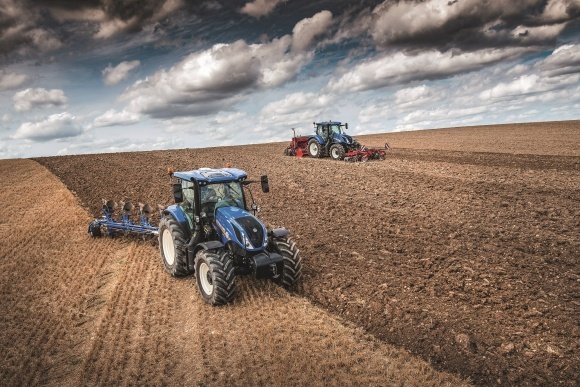
In recent years, Northern Kazakhstan has entered a phase of inevitable transformation in the structure of cultivated areas. The long-standing reliance on wheat, which ensured relative stability under extensive farming conditions, is no longer a sustainable model. Volatility in global prices, rising production costs, and climate risks are objectively pushing farmers toward diversification. In this context, lentils are gradually ceasing to be perceived as a niche crop and are beginning to take shape as a strategic component of the grain legume sector.
Interest in lentils in Akmola, North Kazakhstan, and Kostanay regions is not opportunistic in nature. These regions share a number of similar agroclimatic characteristics with the world’s leading lentil-producing areas—primarily Canada—particularly in terms of the length of the growing season, the crop’s photoperiodic response, and temperature regimes. At the same time, the higher continentality of Northern Kazakhstan’s climate requires not the direct replication of technologies, but their scientific adaptation.
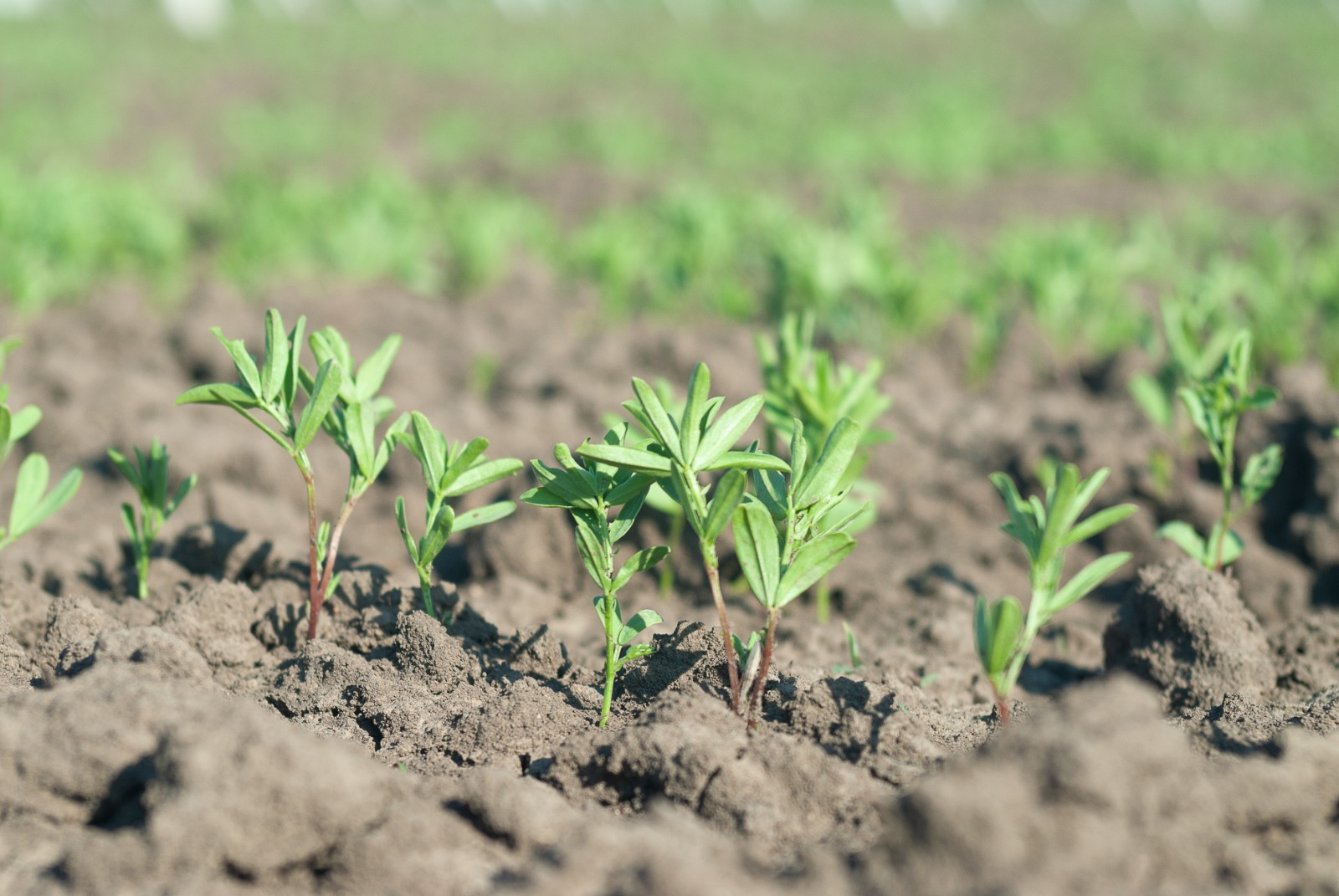
From an agroecological perspective, lentils represent one of the key crops of sustainable agriculture. As a typical legume, they provide biological fixation of atmospheric nitrogen, accumulating up to 25–45 kg/ha of available forms in the soil under favorable conditions. In addition, lentils improve the agrophysical properties of the soil, promote loosening of the plow layer, and reduce phytosanitary pressure in crop rotations, which is especially important for grain-producing regions with a high degree of specialization.
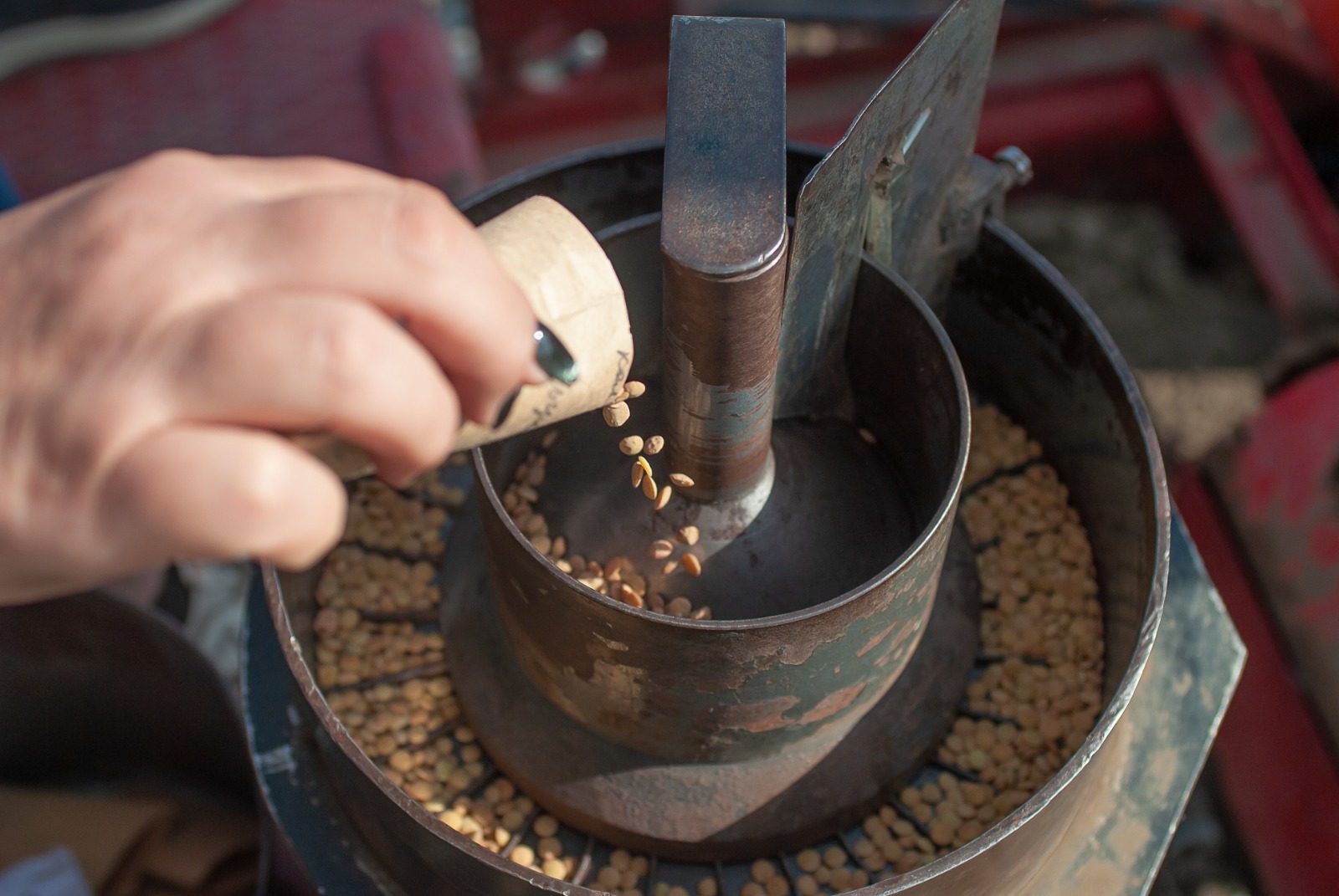
The economic potential of the crop is also considerable. With proper adherence to technological practices and the availability of stable export channels, lentils can provide profitability levels exceeding those of soft wheat by 1.5–2 times or more in certain years. The main markets remain countries with sustained demand for plant-based protein—India, Turkey, and the member states of the European Union. An additional stabilizing factor is the crop’s relatively high drought tolerance, which makes it an important component of adapting crop production to changing climatic conditions.
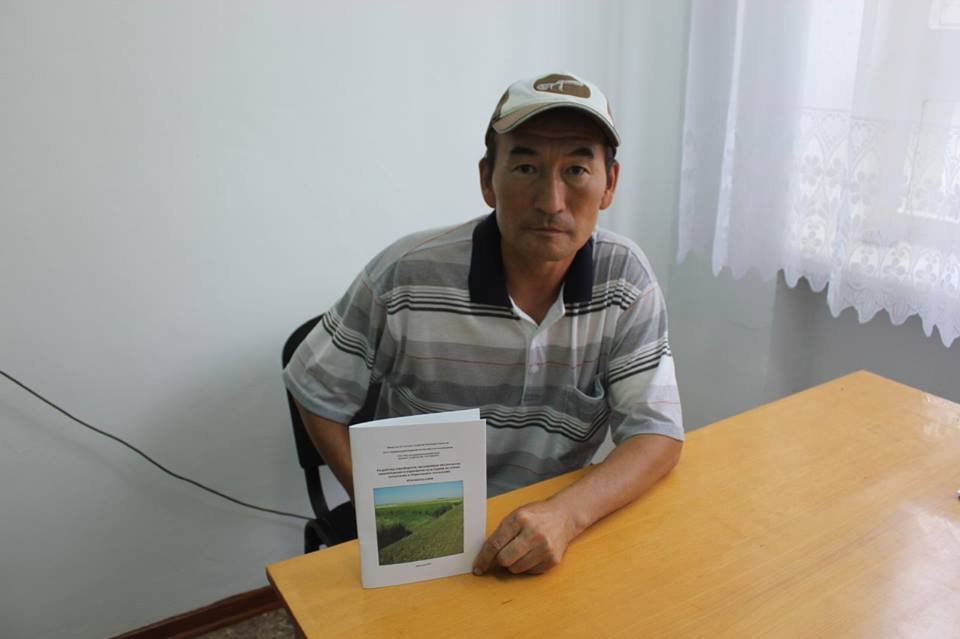
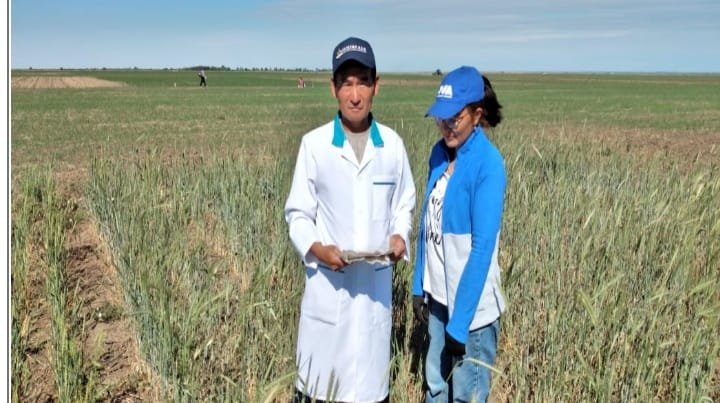
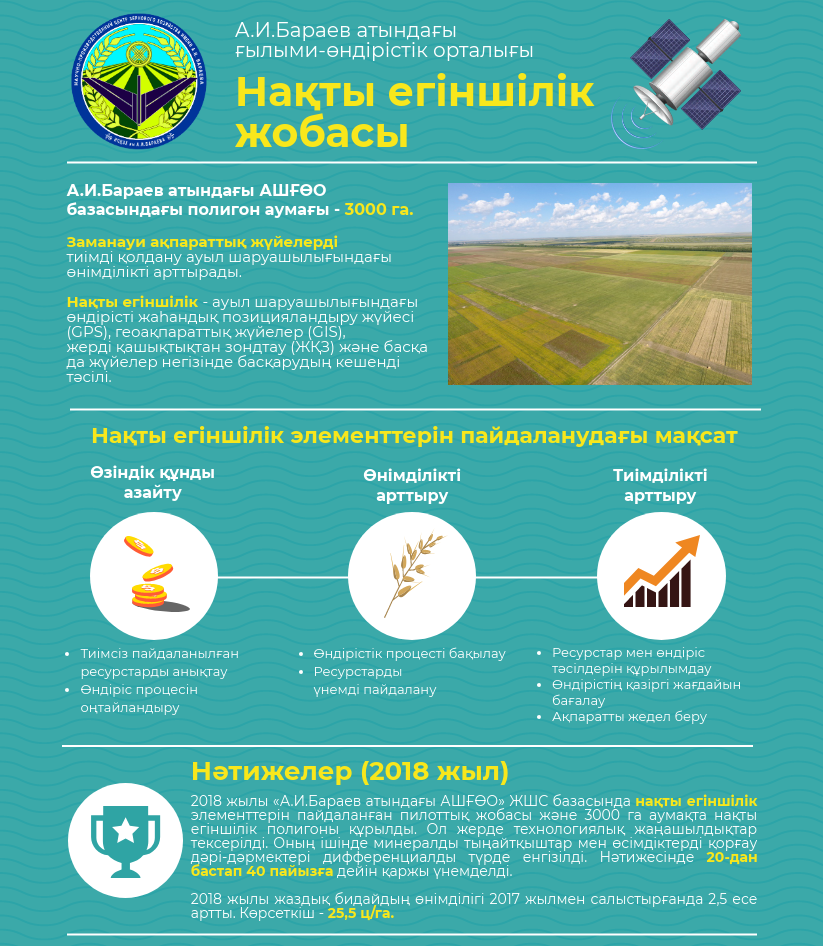
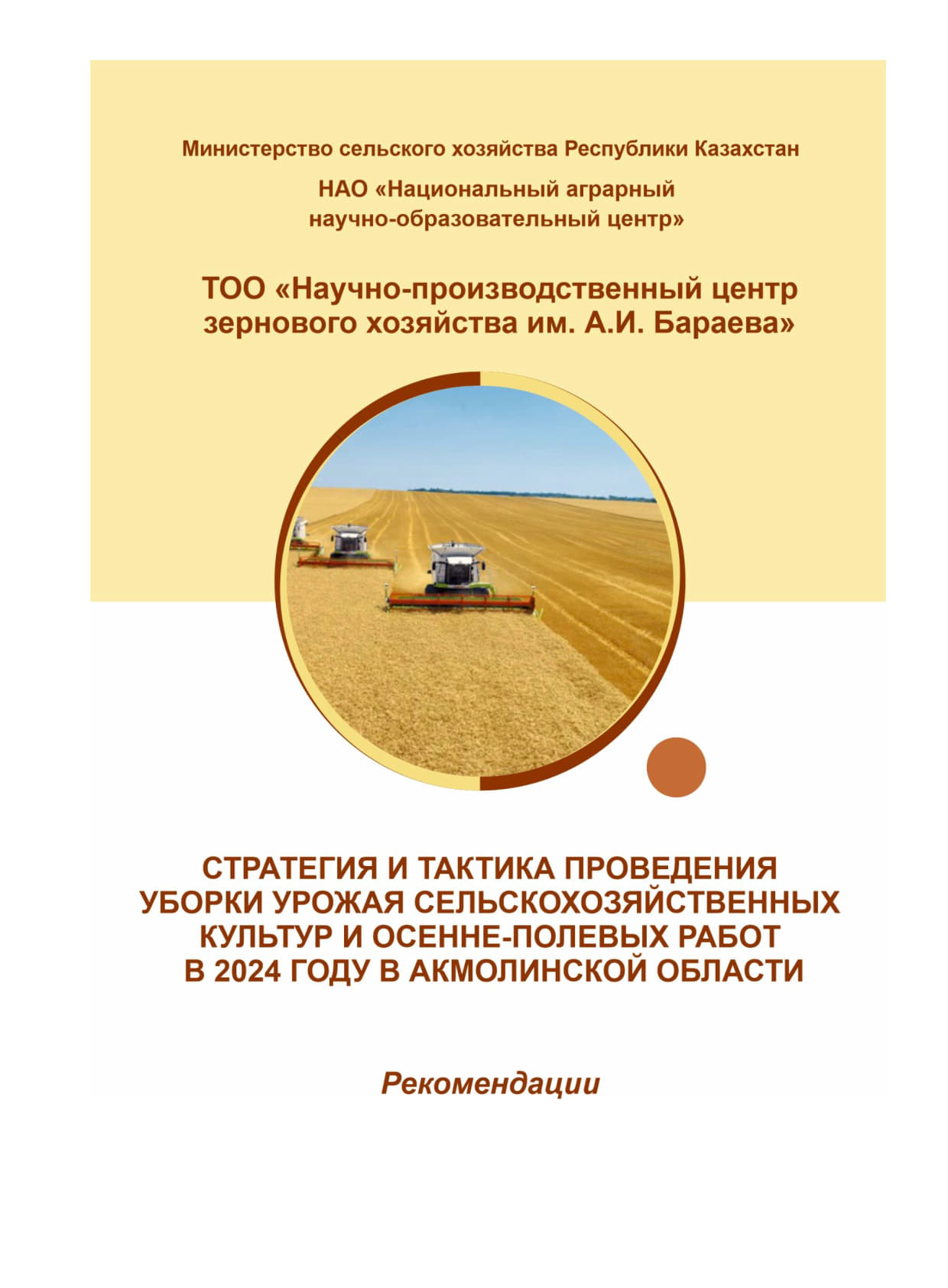
The Scientific and Production Centre for Grain Farming named after A.I. Barayev plays a key role in the development of lentil production in Northern Kazakhstan. The canter functions not only as a scientific institution, but also as a hub for technology transfer – from fundamental breeding developments to applied recommendations for production. It is here that zonal lentil cultivation technologies adapted to regional conditions are developed.
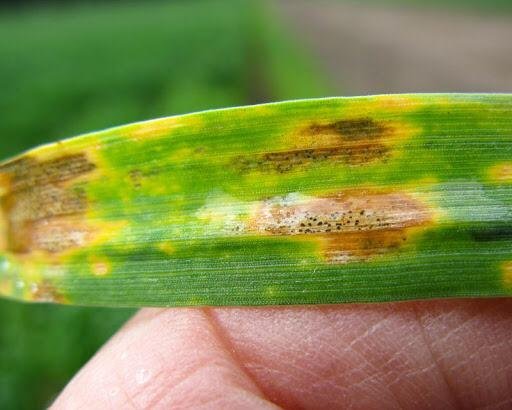
At the same time, experts rightly note the high technological sensitivity of the crop. Lentils react sharply to deviations from the optimal sowing dates, seed planting depth, weed infestation level, and phytosanitary condition of crops. Violation of technological elements can lead to yield losses of 20–30%, which fundamentally distinguishes it from more flexible grain crops. In these conditions, the role of science is to develop clear, reproducible cultivation algorithms that minimize production risks.
The state of lentil seed production attracts considerable attention in the industry. The state register of breeding achievements in this segment includes five varieties, with both domestic and foreign varieties being used in the structure of sown areas. Foreign varieties are characterized by high productivity and are used in various agroclimatic conditions, but in some areas, they may be sensitive to sharp temperature fluctuations and local pathogens. In this regard, an important direction for the development of the industry is the systematic renewal of the variety range and increasing the adaptability of the seed production system as a whole.
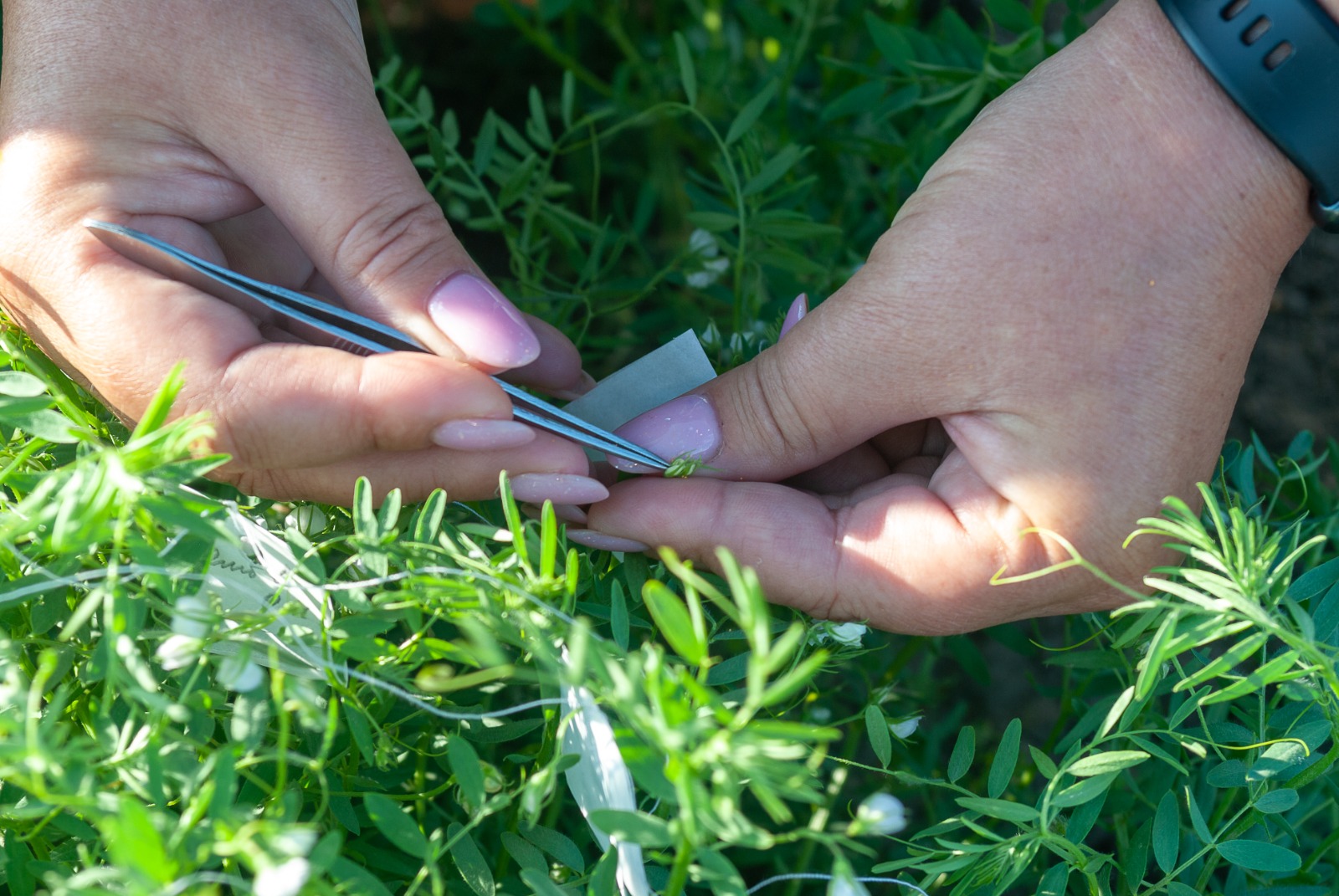
The development of breeding is directly linked to the human resources potential of agricultural science. Lentil breeding is a lengthy and science-intensive process that requires many years of consistent work (8-12 years) and stable continuity of scientific teams. Currently, it is particularly important to create conditions for attracting and retaining young specialists, as well as supporting scientific schools. The implementation of comprehensive measures, including targeted scientific programs, educational and housing programs, international scientific cooperation, and economic incentives, can lay the foundation for the sustainable development of breeding research.
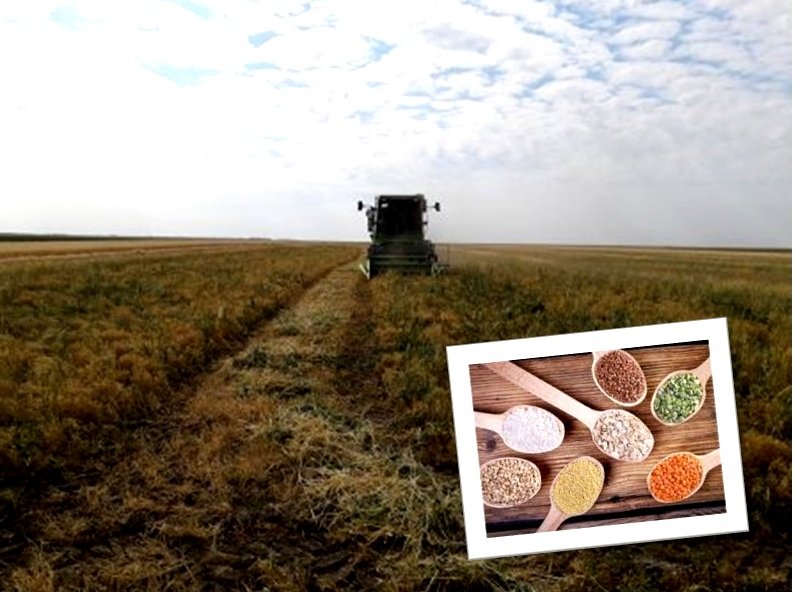
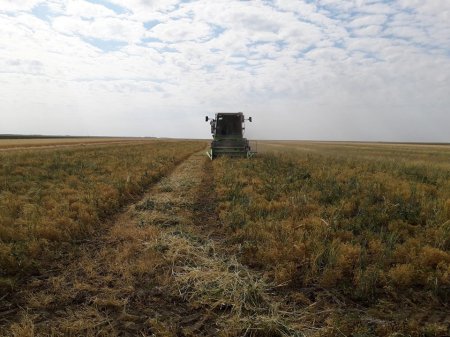
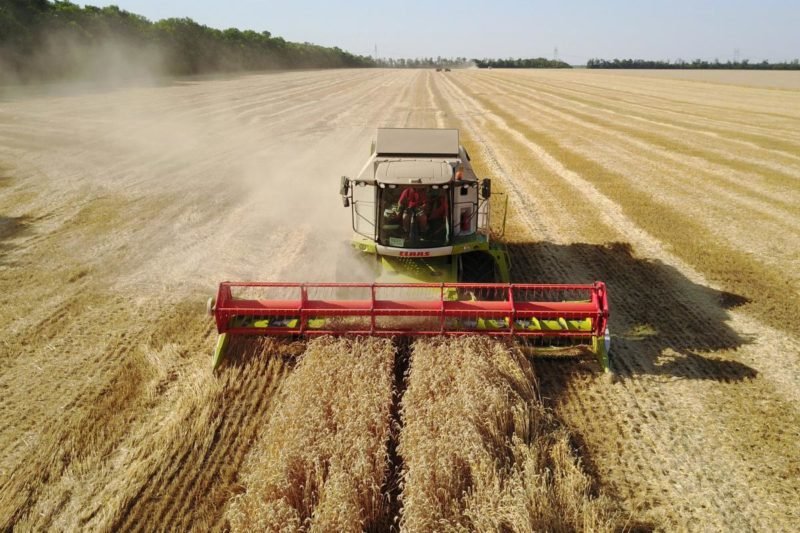
Along with this, technical equipment plays a certain role in production. The biological characteristics of lentils, in particular the low position of the beans (8–10 cm from the soil surface), require a high level of agricultural technology, high-quality field levelling, and the use of adapted harvesting machinery.
Thus, the formation of a high-quality lentil belt in Northern Kazakhstan requires a systematic approach. It should include targeted funding for breeding programs at the Scientific and Production Center of Grain Farming named after A.I. Barayev, stimulating demand for domestically breeding seeds, developing human resources, and creating agro-industrial clusters for deep processing of products.
In this context, lentils cease to be just an element of agricultural technology and acquire a broader significance as an indicator of systemic development in the agricultural sector. Their sustainable production is determined not only by natural conditions, but also by the level of development of breeding, seed production, and scientific support. The strategic objective is to consistently strengthen our own scientific and technological base, ensuring the long-term sustainability of the industry.
In the coming years, the formation of the lentil belt in Northern Kazakhstan should be based on close cooperation between science and production, which will open up new opportunities for agribusiness and export-oriented farms in the region.
(Based on materials from the Laboratory for the Breeding of Legumes and Oilseeds at the Scientific and Production Center of Grain Farming named after A.I. Barayev)